
Paid Media Strategy for Pipeline Growth
Turn advertising spend into predictable pipeline through diagnostics, testing, and revenue-focused optimization.
Many organizations run paid media campaigns that generate clicks, impressions, and leads, yet struggle to connect those activities to real pipeline growth. Without the right diagnostic framework, paid media becomes a collection of campaigns rather than a growth engine.
At Trustworthy Digital, paid media operates as part of a Revenue Performance System designed to capture demand, test messaging, and continuously improve performance against revenue outcomes.
Not sure where your biggest growth opportunities are? Start with a Marketing Performance Diagnostic or explore how the Revenue Performance System connects marketing execution to measurable revenue impact.

Why Paid Media Looks Successful But Fails to Drive Revenue
Many marketing leaders experience the same pattern.
Advertising dashboards show strong campaign metrics. Cost-per-click improves. Leads increase. Campaign reports suggest the program is working.
The issue is not the advertising platforms. The issue is that most paid media programs are optimized for platform metrics instead of revenue outcomes.
Our Paid Media Strategy
A successful paid media program requires more than platform expertise. It requires a structured approach to audience targeting, messaging validation, and performance analysis.
Our strategy focuses on four areas:
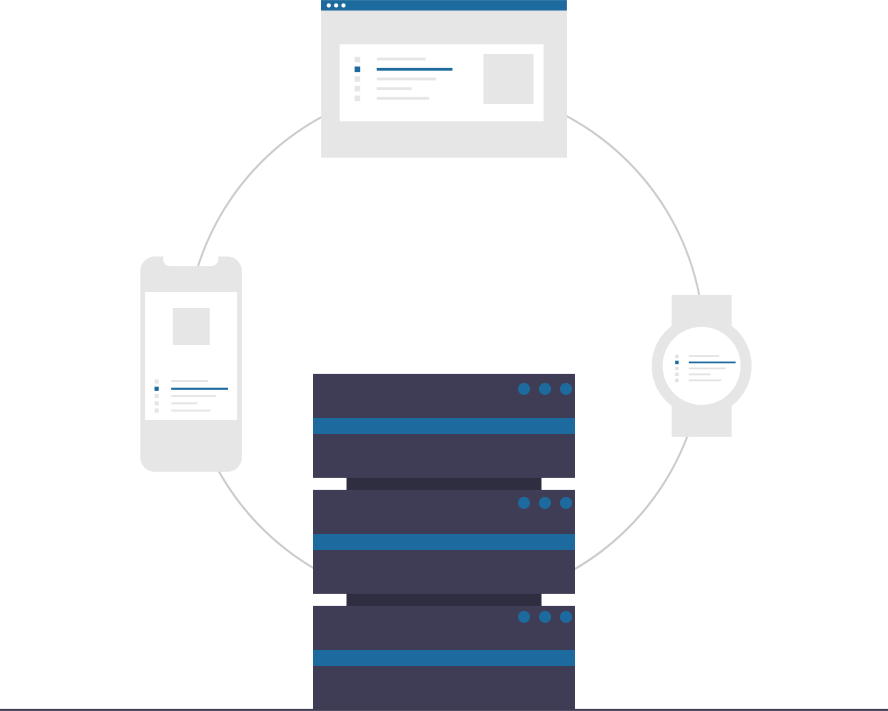
How Paid Media Fits Into the Revenue Performance System
Paid media plays a critical role in modern pipeline generation. It allows organizations to capture demand at the moment of intent, accelerate awareness in key markets, and validate messaging through real-time feedback.
Within the Revenue Performance System, paid media supports three core objectives:
Client Testimonials
“If you’re looking for an agency that feels more like part of your in-house team than an outside vendor, Trustworthy Digital is it.
We’ve partnered with Trustworthy for years – first on SEO, then on Paid Media – and the results speak for themselves. What makes Trustworthy exceptional is how they work: they’re reliable, collaborative, and relentlessly proactive.
John Landrum
Vice President of Marketing, OTR Solutions
I couldn’t recommend Brandon and the Trustworthy Digital team more. They have been handling our digital paid ads and SEO organic marketing exclusively for years and have proven to be one of our most valuable partners around.
Matthew P. Mutton
CEO, Osborne Homes
What a Modern Paid Media Strategy Includes
Paid media has evolved significantly in the past decade. Advertising platforms now rely heavily on automation, machine learning, and audience signals to deliver results.
But successful programs require more than launching campaigns and adjusting bids. A modern paid media strategy integrates audience insight, messaging validation, performance diagnostics, and revenue attribution.
The most effective programs combine several strategic components working together.
What Makes Our Paid Media Approach Different
Many agencies optimize campaigns for platform metrics.
Our approach combines channel expertise with a structured performance framework.

Paid Media Platforms We Work With
We manage campaigns across leading advertising platforms, including:
- Google Ads
- LinkedIn Ads
- Meta Ads
- Programmatic Display Networks
- YouTube and Video Platforms
Campaign strategies are customized based on audience behavior, industry dynamics, and pipeline objectives.

Case Study
OTR Solutions Boosts Leads by 189% With Paid Media Overhaul
Learn how Trustworthy Digital helped OTR Solutions increase leads by 189% and cut acquisition costs by 57%
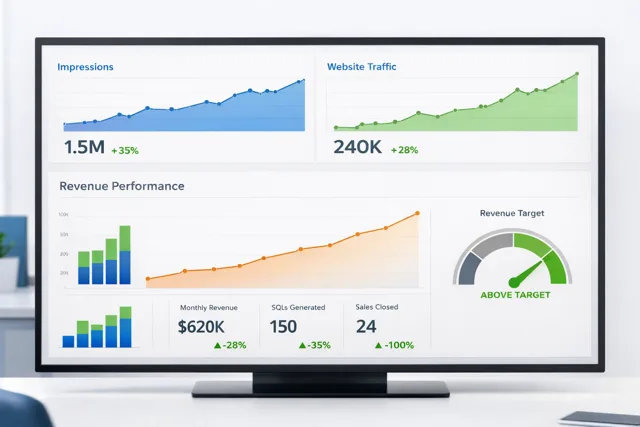
When Paid Media Delivers the Most Value
Paid media becomes especially powerful when organizations need to:
- Accelerate pipeline growth
- Launch new products or services
- Enter new markets
- Support demand capture for high-intent search queries
- Test messaging and positioning quickly
When integrated into the Revenue Performance System, paid media becomes a powerful lever for predictable growth rather than a disconnected marketing expense.