Paid Search vs. Paid Social: Which Strategy Drives More Conversions?
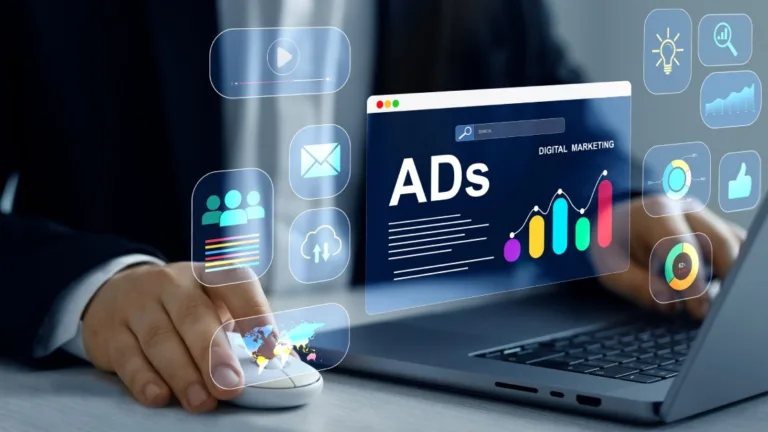
Paid search puts ads in front of people actively searching for solutions, while paid social targets audiences based on their interests and behaviors as they browse social platforms. Conversions matter most because they directly translate searches and scrolls into revenue for your business.
In this article, I’ll break down the key differences between paid search and paid social advertising to help you determine which approach delivers better conversion results for your specific business goals. Whether you need comprehensive digital advertising services or want to optimize your current campaigns, understanding these distinctions is crucial for maximizing your marketing ROI.
Key Takeaways:
- Paid search captures existing demand while paid social creates new demand – making them complementary rather than competing strategies for most businesses.
- Budget allocation should follow intent levels – with search commanding higher spend for immediate conversions and social driving cost-effective awareness campaigns.
- Channel timing matters more than channel choice – since customers need different touchpoints throughout their decision-making process to convert effectively.
- Strategic combination delivers compound results – where social awareness feeds search conversion opportunities for maximum ROI impact across your marketing efforts.

What is Paid Search?
Paid search advertising places your ads directly in search engine results when potential customers type specific keywords related to your business. This targeted approach connects you with people actively looking for solutions you provide.
How Paid Search Works
Search engines display your ads at the top or bottom of results pages when users enter relevant keywords. Here’s how the process works:
- Auction system: You bid on specific terms, and the platform determines ad placement based on your bid amount, ad quality, and relevance. The auction system rewards advertisers who create relevant, high-quality ads rather than just throwing money at keywords.We look at Search Impression Share to allocate budget where it actually improves visibility and returns.
- Competitive advantage: This means you can often outperform competitors with bigger budgets by focusing on ad relevance and landing page experience. For example, searching “buy running shoes” triggers sponsored product ads from athletic retailers competing for that valuable search term.
- Real-time execution: The auction happens instantly, with winning ads appearing within milliseconds of the search query.
User Intent in Paid Search
People using search engines demonstrate active demand and sit much closer to making a purchase decision. They know what problem they need to solve and are actively seeking solutions. This high-intent behavior typically generates bottom-of-funnel conversions with shorter sales cycles.
Search users often convert the same day they click your ad, especially for immediate-need purchases or urgent business solutions.
When Paid Search Works Best
Paid search works best when your audience demonstrates high purchase intent and needs solutions immediately. It captures demand from people actively searching with clear goals in mind, making it ideal for industries where conversions happen quickly and decisions are time-sensitive. This makes paid search a cornerstone for bottom-funnel activity.
- Real estate agencies and local service businesses: Urgent searches like “plumber near me” or “homes for sale” bring leads that are ready to act.
- SaaS and eCommerce companies: Free trial offers, product comparisons, and competitive pricing perform best when users are already considering options.
- Professional services: Legal, accounting, and consulting gain strong results when prospects search specifically for help with pressing personal or business needs.
These industries benefit because paid search connects intent with timely offers. With properly structured campaigns and optimized landing pages, businesses can achieve measurable ROI. For companies needing quick, qualified leads, paid search provides the targeting precision and conversion speed that other channels can rarely match on their own.
Pros and Cons of Paid Search
Paid search delivers measurable results and precise targeting, but rising costs and competition can impact performance.
| Pros | Cons |
| Measurable ROI through direct conversion tracking | Expensive cost-per-clicks in competitive industries |
| High-quality leads with strong purchase intent | Limited reach since you only connect with active searchers |
| Precise targeting based on search behavior | Heavy competition driving up bid prices for valuable keywords |
| Full control over keywords and real-time bid adjustments | Requires significant budget management and ongoing monitoring |

What is Paid Social?
Paid social advertising displays targeted ads across social media platforms where users spend time browsing, connecting, and consuming content. This approach reaches audiences based on their demographics, interests, and online behaviors rather than active search queries.
How Paid Social Works
Social platforms like Facebook, Instagram, LinkedIn, and TikTok show your ads in users’ feeds, stories, and other native placements. Here’s how the targeting works:
- Data-driven targeting: Platforms use extensive data about user behavior, interests, job titles, life events, and social connections to reach specific audience segments even when they’re not actively searching for your products.
- Algorithm optimization: Sophisticated algorithms optimize ad delivery for your chosen objectives, whether that’s awareness, engagement, or conversions. These systems learn from user behavior patterns and automatically adjust who sees your ads based on who’s most likely to take your desired action.
- Performance requirements: The key is giving the algorithm enough data through proper conversion tracking and sufficient budget to optimize effectively.
User Intent in Paid Social
Social media users are browsing and discovering content rather than searching with purchase intent. They respond well to visual storytelling, educational content, and brand discovery opportunities. This discovery-focused mindset works better for awareness and consideration stages rather than immediate purchases.
Social platforms excel at introducing your brand to people who might not know they need your solution yet.
When Paid Social Works Best
Paid social works best when you want to build awareness, spark interest, and create emotional connections. It’s effective for reaching people who may not know they need your product or service yet, but who match your audience profile and can be engaged through visual storytelling, discovery, and community-driven content.
- Lifestyle brands and product launches: Social ads help introduce new products, drive excitement, and build long-term loyalty with visual experiences.
- B2B companies on LinkedIn: Precise targeting by job title, industry, and company size supports awareness and lead nurturing for complex solutions.
- Brands targeting younger demographics: Social media platforms excel at connecting with Gen Z and Millennials through engaging, relatable campaigns and community building.
Businesses thrive with paid social when they focus on brand discovery and relationships rather than immediate sales. Social campaigns create the top-funnel awareness that later fuels conversions through other channels, such as search. Used strategically, social advertising builds audiences, drives engagement, and increases lifetime customer value.
Pros and Cons of Paid Social
Paid social excels at building awareness and reach, but results can be less predictable compared to search.
| Pros | Cons |
| Broad reach potential with detailed audience targeting | Lower click-through rates compared to search ads |
| Creative ad formats, including video and interactive content | Algorithm changes can disrupt performance and organic reach |
| Cost-effective campaigns for brand awareness | Higher risk of ad fatigue from repeated exposure |
| Retargeting and lookalike audience creation | Attribution of conversions can be more complex |

Paid Social vs. Paid Search: Key Differences
These two advertising approaches serve different purposes in your marketing strategy, with distinct advantages for reaching customers at various stages of their buying journey.
Targeting & Audience Reach
Paid search relies on keyword targeting to capture existing demand from people actively searching for solutions. You connect with customers who already know they have a problem and are researching options. Paid social uses audience-based targeting to generate new demand among people who match your ideal customer profile but may not be actively shopping.
When running a paid social ads competitor analysis, you can identify which audience segments your competitors target and discover new opportunities for your campaigns.
Funnel Positioning
Search advertising aligns perfectly with bottom-of-funnel marketing activities where prospects are ready to make purchasing decisions. These users have moved through awareness and consideration phases and need the final push toward conversion. Social advertising shines at top-and mid-funnel stages, introducing your brand and nurturing prospects through their decision-making process.
The funnel positioning affects everything from ad creative to landing page design and conversion expectations.
Cost & ROI Considerations
We consistently see search campaigns require 2-3x higher cost-per-clicks than social, but they deliver more immediate conversion ROI since users arrive with strong purchase intent. The math works when your customer lifetime value justifies the premium cost.
Social campaigns can be more affordable for building reach and awareness, but attributing direct ROI becomes more challenging without proper tracking systems in place.
When to Use Both Channels Together
Smart marketers combine paid search and paid social to create powerful feedback loops that amplify results across the entire customer journey.
The Feedback Loop Strategy
Paid social advertising introduces your brand to new audiences, while paid search captures the conversion intent you generate from that awareness. Here’s how to execute this strategy:
- Sequential targeting: Run LinkedIn ads targeting marketing directors to build awareness, then use Google search ads to convert those same professionals when they search for specific solution categories weeks later.
- Cross-platform tracking: Set up conversion tracking that captures the full customer journey, then create custom audiences in your search platform based on social media engagement.
- Optimized bidding: This lets you bid more aggressively on search terms when you know the user has already shown interest through social interactions.
This approach maximizes the value of every marketing dollar by ensuring multiple touchpoints with potential customers. Social creates the demand, and search captures it when the timing is right.
Full-Funnel Marketing Benefits
Effective campaigns move prospects from awareness through consideration to final conversion using coordinated messaging across channels:
- Awareness stage: Social media builds initial brand recognition and introduces your solution to new audiences who may not know they have a problem.
- Consideration stage: Retargeting ads maintain engagement and nurture prospects through their decision-making process with educational content and social proof.
- Conversion stage: Search ads close conversions when prospects are ready to buy and actively researching solutions.
Programmatic and display advertising can also play important roles in this full-funnel approach, extending your reach beyond traditional social and search platforms.
Shared data between platforms enables sophisticated retargeting strategies and cross-channel optimization that improves performance across all your advertising efforts.

Paid Search vs. Paid Social: How to Choose for Your Business
Your business objectives and customer behavior patterns should drive channel selection more than general best practices or competitor activities.
When to Choose Paid Search
Choose paid search when you need immediate leads and sales. Service businesses with urgent customer needs, SaaS companies with free trial offers, and eCommerce stores with competitive pricing see the fastest payback from search investments. The higher cost-per-click pays off when you can convert prospects within days rather than weeks.
When to Choose Paid Social
Select paid social for brand awareness and storytelling campaigns. From our campaign portfolio, consumer brands, lifestyle products, and businesses with complex sales cycles consistently build stronger customer relationships through social advertising. We’ve observed that while social has lower immediate conversion intent, it creates higher lifetime value customers when executed strategically.
When to Combine Both
Combine both channels when scaling across the entire funnel. Mature businesses with healthy marketing budgets can maximize results by using socials for awareness and search for conversions. This approach requires more sophisticated tracking and attribution but delivers the strongest overall performance.
Building a Conversion-Focused Paid Media Strategy
Neither paid search nor paid social wins in every situation. Success depends on matching channel strengths to your specific business goals and customer journey requirements.
Here’s our proven approach:
- Channel selection: Paid search excels at conversion capture when prospects are ready to buy, while paid social generates demand among audiences who may not know they need your solution yet.
- Attribution tracking: Marketing Mix Modeling and Multi-Touch Attribution help you understand exactly how each channel contributes to conversions and optimize budget allocation for maximum ROI impact.
- Testing framework: Based on managing over $2B in ad spend, we recommend starting with clear conversion goals, testing both channels with modest budgets of at least $1,000 per month each, and scaling the approaches that deliver your target cost-per-acquisition.
The strongest marketing strategies combine both approaches to create comprehensive customer acquisition systems. The data will tell you which combination drives the most valuable outcomes, but you need sufficient volume to make statistically significant decisions.
Ready to Build Your Conversion-Focused Strategy?
Choosing between paid search and paid social doesn’t have to be complicated when you have the right expertise guiding your decisions. At Trustworthy Digital, we’ve managed over $2B in ad spend and helped hundreds of businesses determine the optimal channel mix for their specific goals and budgets. We handle the complex attribution tracking, cross-channel optimization, and budget allocation decisions so you can focus on running your business.
Get your free strategy consultation now!
Frequently Asked Questions
What is the main difference between paid search and paid social?
Which is more cost-effective: paid search or paid social?
Can I run both at the same time?
Is YouTube paid search or paid social?
How do I know which strategy will drive more conversions for my business?
About the Author: Brandon O'Connor
Brandon founded Trustworthy Digital driven with a passion for transparent, data-driven marketing. Leveraging his extensive eCommerce and digital marketing expertise, Brandon guides the strategic direction, ensuring client success and ethical business practices are at the core of everything we do.
View all posts →